
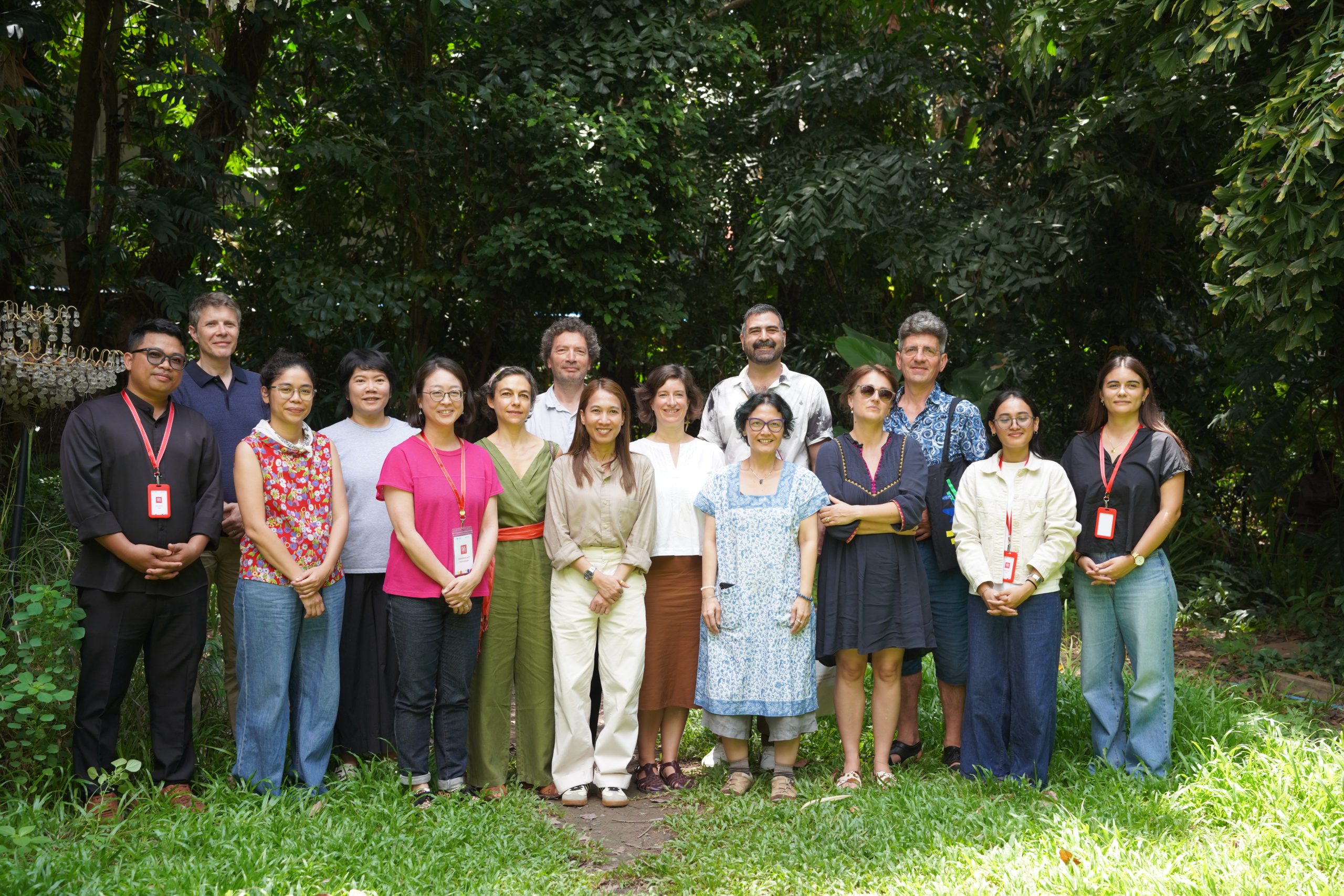
Chakto II: Building Strong Communities for the Arts Through Human Connections and Cultural Exchange
Written by: Sokummono Khan
Edited by: Elise Steenburgh
When we talk about sustaining the arts, funding is often the first thing that comes to mind. While grants, sponsorships and ticket sales all play an important role, a vibrant arts ecosystem is built on something equally important: relationships, collaboration and opportunities for people to learn from one another. These ideas were at the heart of Chakto II, a week-long professional exchange program aimed at strengthening Cambodia’s contemporary performing arts sector through dialogue, exchange and collaboration.
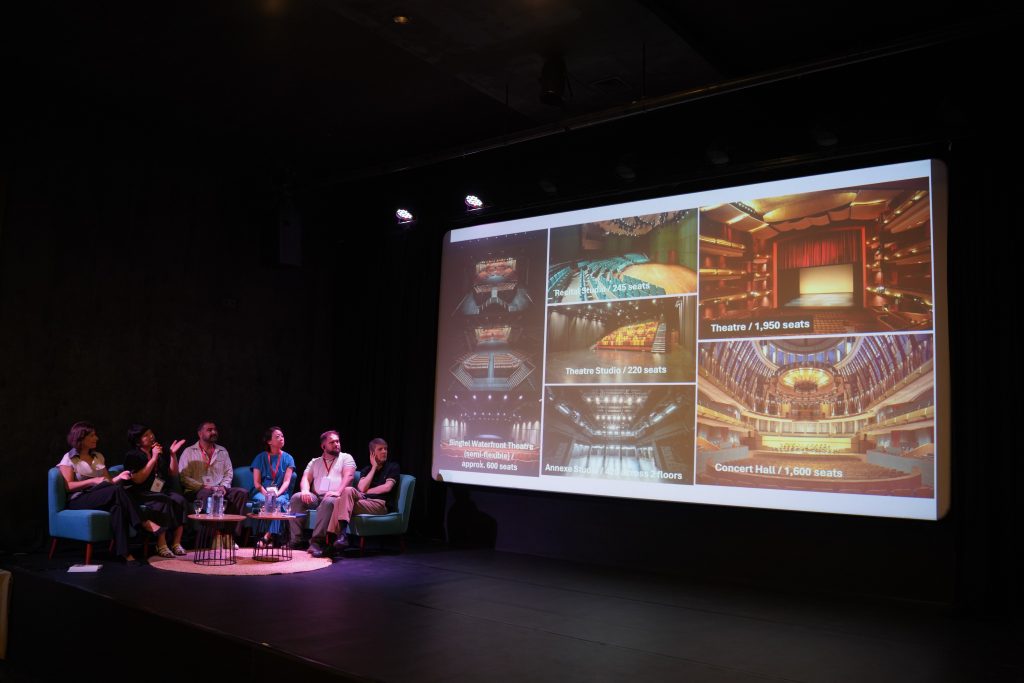
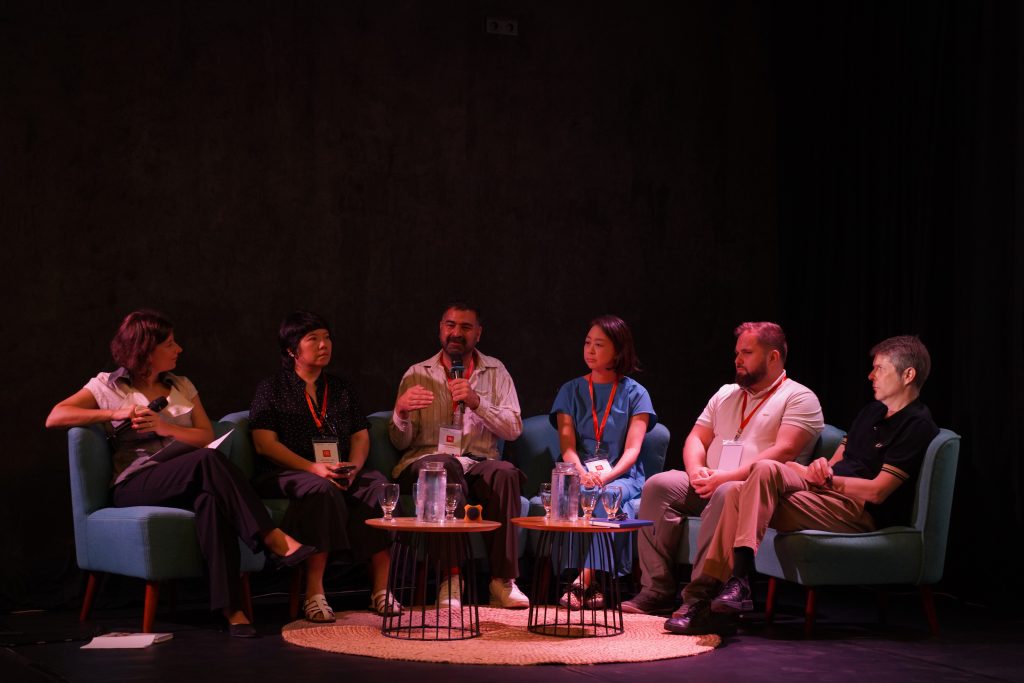
Following the success of Chakto I in 2025, which brought together Cambodia’s creative communities across film, comics, dance, and music, Chakto II focused on strengthening Cambodia’s contemporary performing arts through dialogue and exchange. Supported by the Embassy of France in Cambodia and the Institut français du Cambodge (IFC), the programme brought together Cambodian artists and cultural professionals from Asia and beyond to share experiences, discover new perspectives, and build relationships for future collaboration.
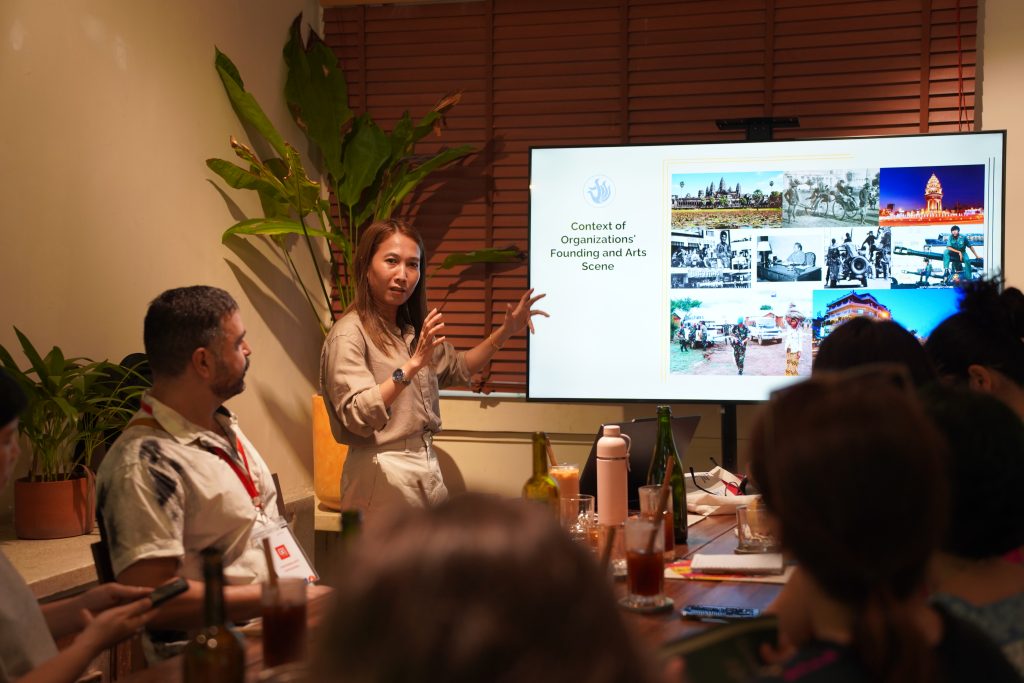
At the heart of the program, Cambodian Living Arts (CLA), in partnership with IFC, designed the Professional Encounters Program to bring together artists and cultural professionals from across Asia and beyond through panel discussions, cultural visits, performances, and networking. For us, this partnership reflects our belief that artists grow through connection, exchange, and collaboration.
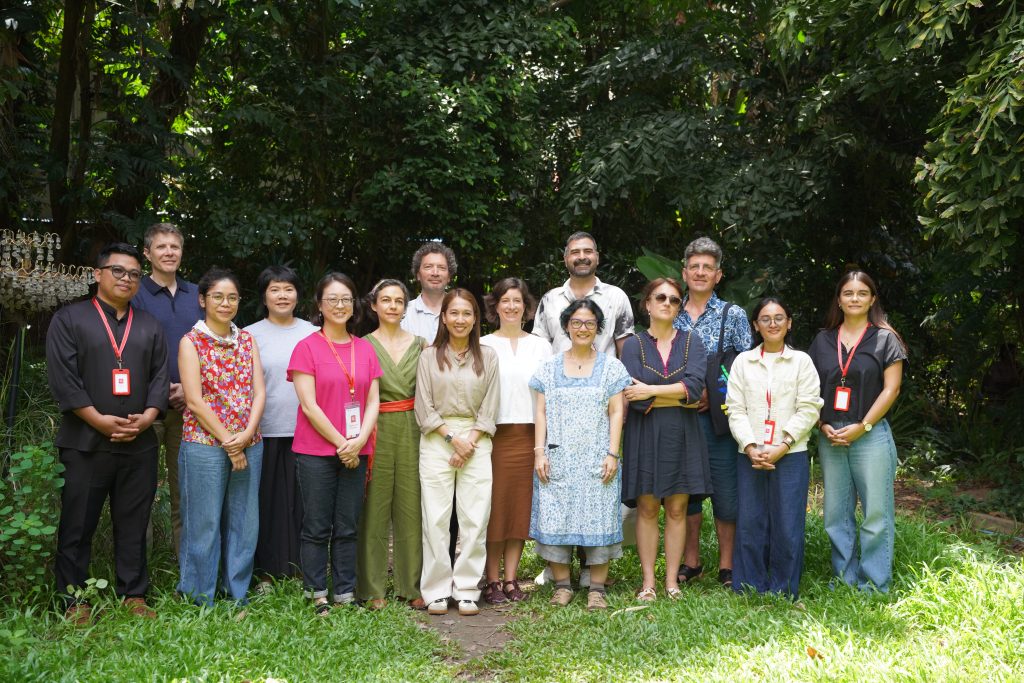
Among the many activities, we wanted to share reflections from two panel discussions hosted by CLA and IFC on June 9, 2026: “Programming and How Works Are Selected” and “Producing and Supporting Performing Arts Works”. Panelists from across the Asia-Pacific region shared their experiences and insights on how performing arts works are selected, developed, and supported.
While every organisation has its own approach, one message was clear: strong arts ecosystems are built through people and relationships. Cultural organisations, producers, presenters, and festivals all play an important role in helping artists develop their work, connect with new audiences, and create opportunities that extend beyond a single performance.
Jeff Khan, Creative Director of Asia TOPA in Australia, spoke about how the festival connects Australia with the wider Asia-Pacific. Instead of looking inward, Asia TOPA creates opportunities for artists and audiences to discover new perspectives.
For Jeff, meaningful artistic engagement begins with curiosity about a rapidly changing world. “How much has the world changed?” he asked, explaining that this question often serves as the starting point for curating festivals and developing international partnerships. Equally important, he noted, is the opportunity to “hear from people you never hear from,” expanding perspectives through encounters with unfamiliar voices, stories, and experiences.
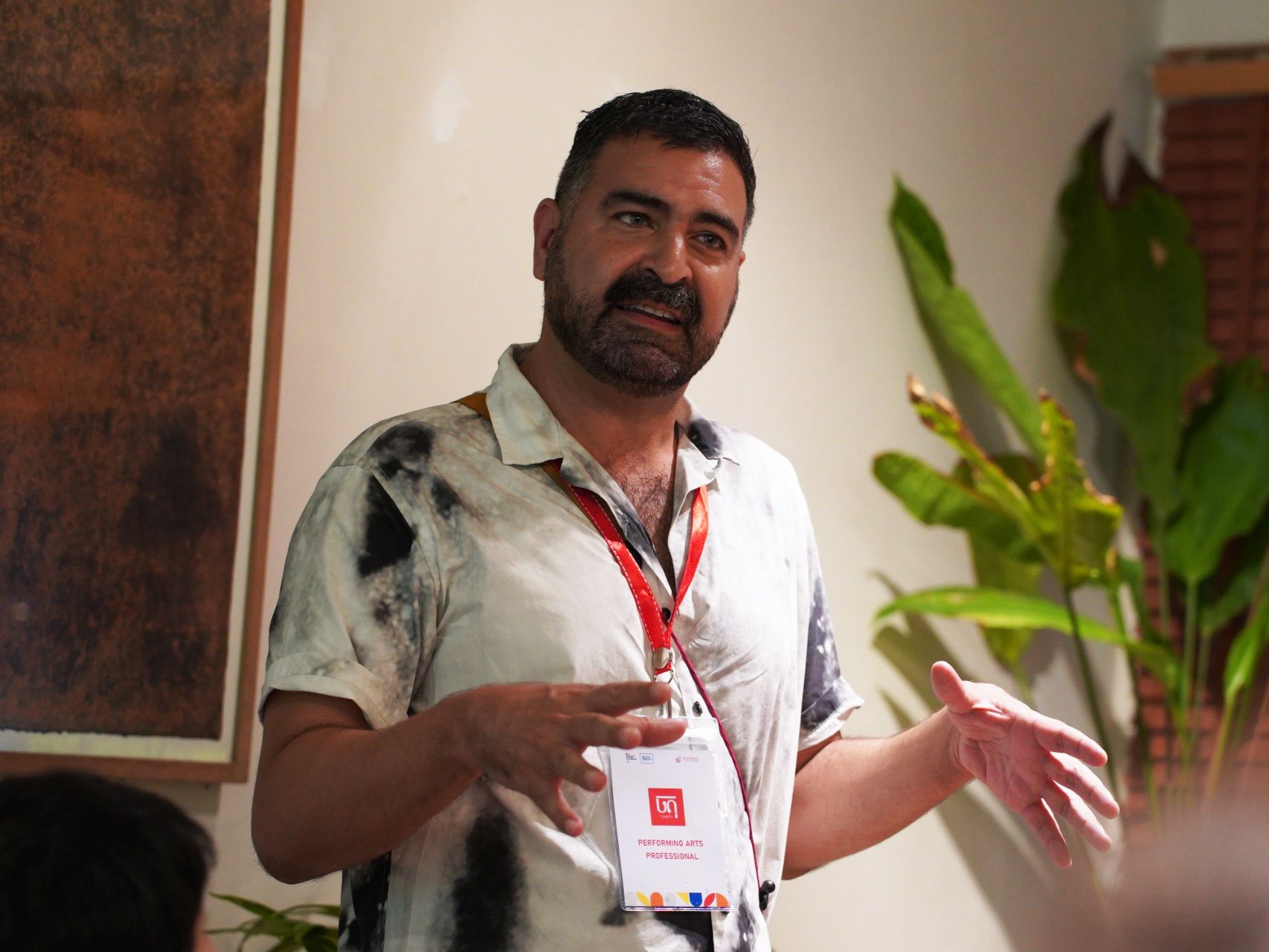
For Shireen Abdullah, Director Producer from Singapore’s Esplanade – Theatres on the Bay, supporting artists means much more than presenting finished performances. It also means creating spaces where artists can meet, learn from mentors, and build professional networks. These experiences may not always be easy to measure, but they often leave a lasting impact on artists’ creative journeys.
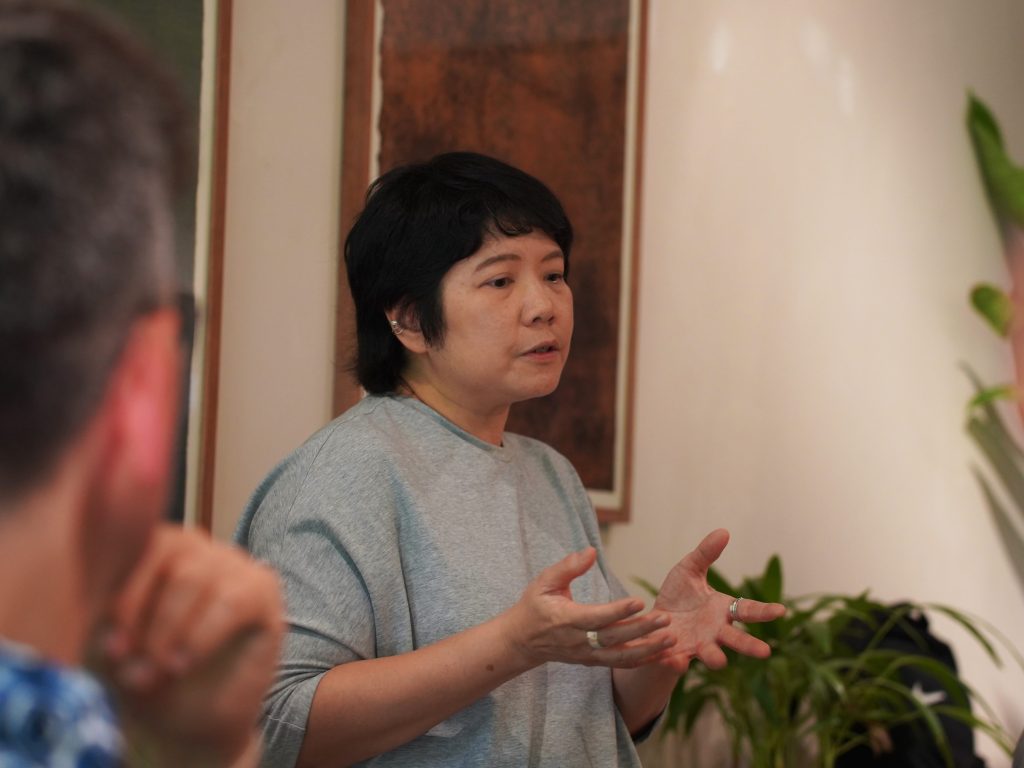
Yoko Kawasaki, Co-Artistic Director of Kyoto Experiment in Japan, shared a similar perspective. She described festivals as a space where artists, researchers, and communities come together to ask questions rather than provide answers.
“Festival is not where you show something is right, or something is stronger.” Yoko said. Instead, festivals create space for the freedom to express, experimentation, dialogue, and new ways of thinking.
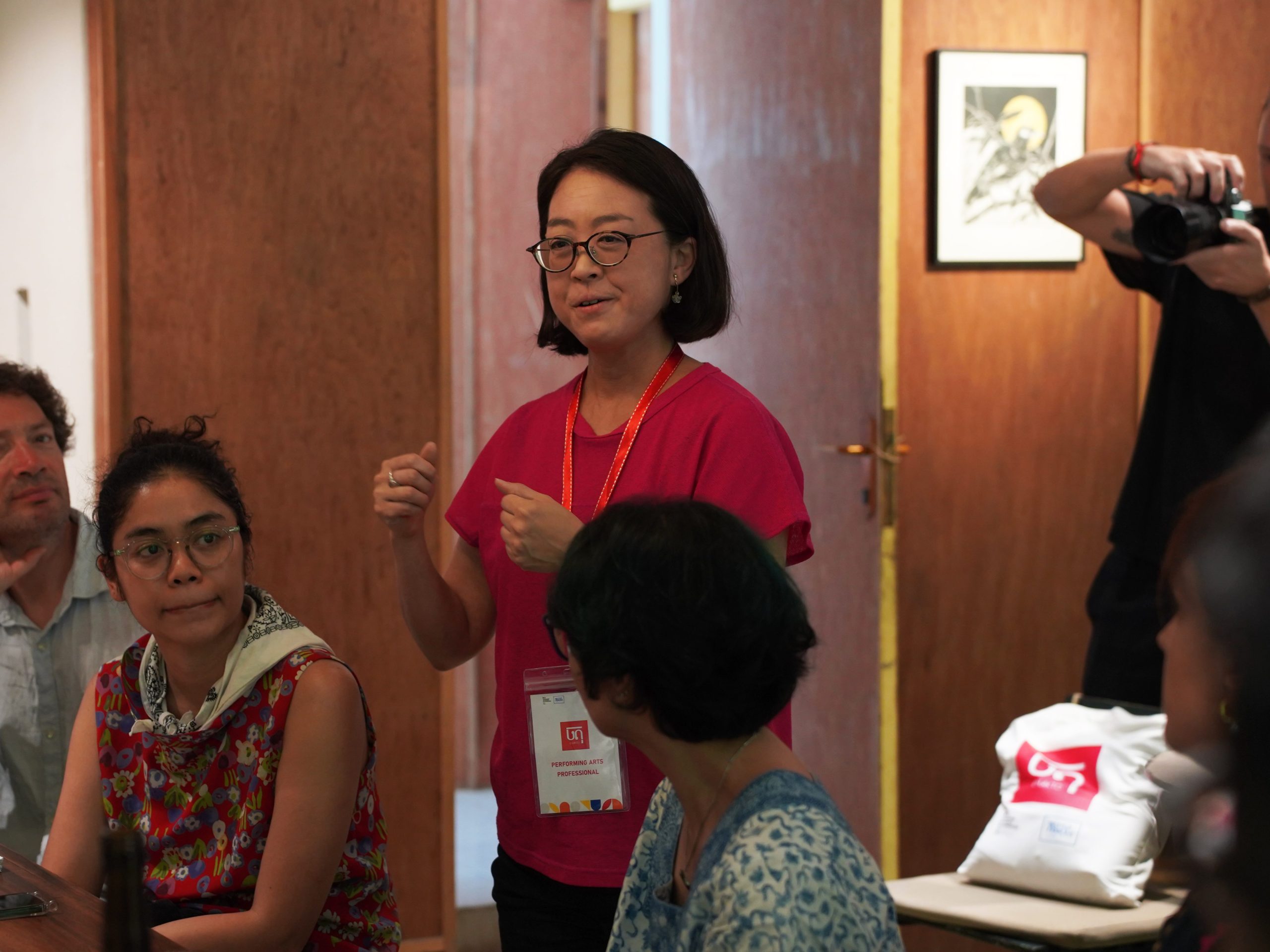
These ideas are particularly relevant to Cambodia’s performing arts sector. As more and more Cambodian artists share their work internationally and connect with presenters, producers and fellow artists, it is becoming as important as financial support to develop new ideas, build lasting relationships and reach new audiences. Networking, cultural exchange and mentorship can help artists to develop new ideas, build lasting relationships and reach new audiences.
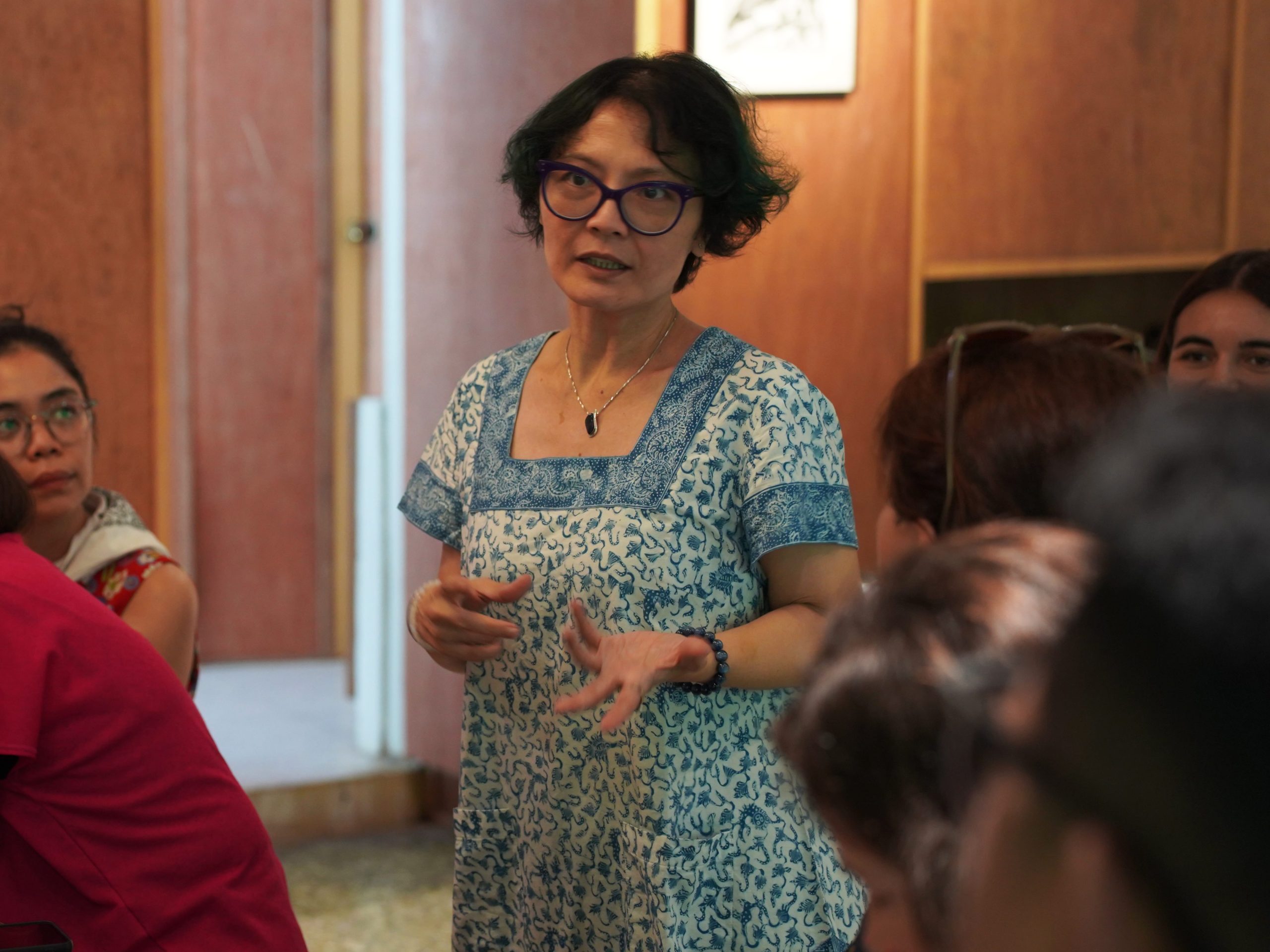
Rama Thaharani, Director of Indonesia’s Kelola Foundation, spoke openly about another challenge many arts communities share. Across Southeast Asia, artists often work in isolation and disconnected networks. Building stronger arts ecosystems means helping people find one another, collaborate, and share opportunities.
She also reminded us that long-term sustainability cannot rely only on international funding. Strong local support, public investment, and cultural policies all have an important role to play in helping the arts thrive.
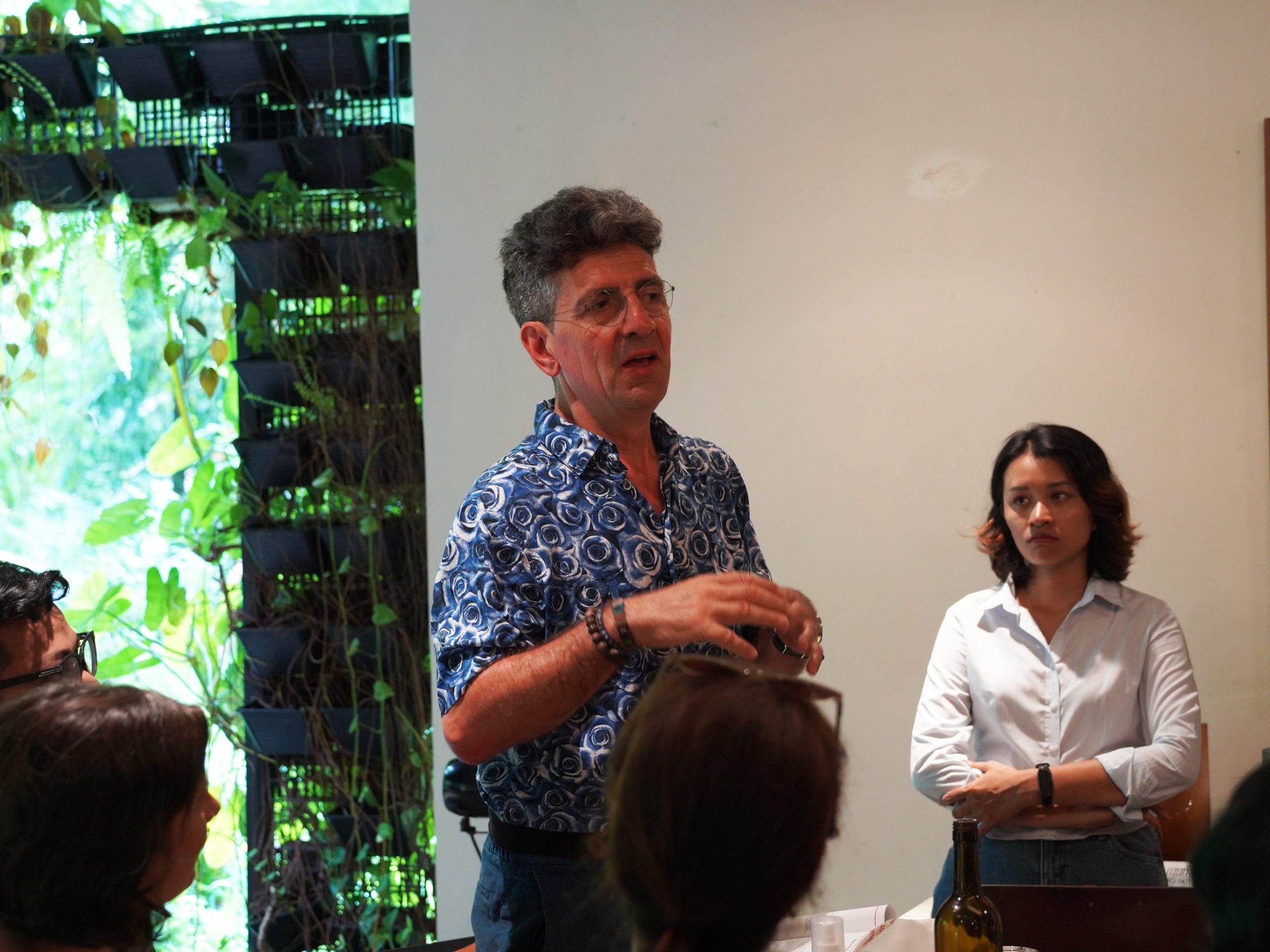
Benoît Bradel, Director of Passages Transfestival in France, reflected on another important part of creating art: people. He shared that ambitious artistic projects begin with curiosity, but they become possible through the commitment and collaboration of artists, producers, presenters, and partners. Even with limited resources, strong relationships can help bring new ideas to life.
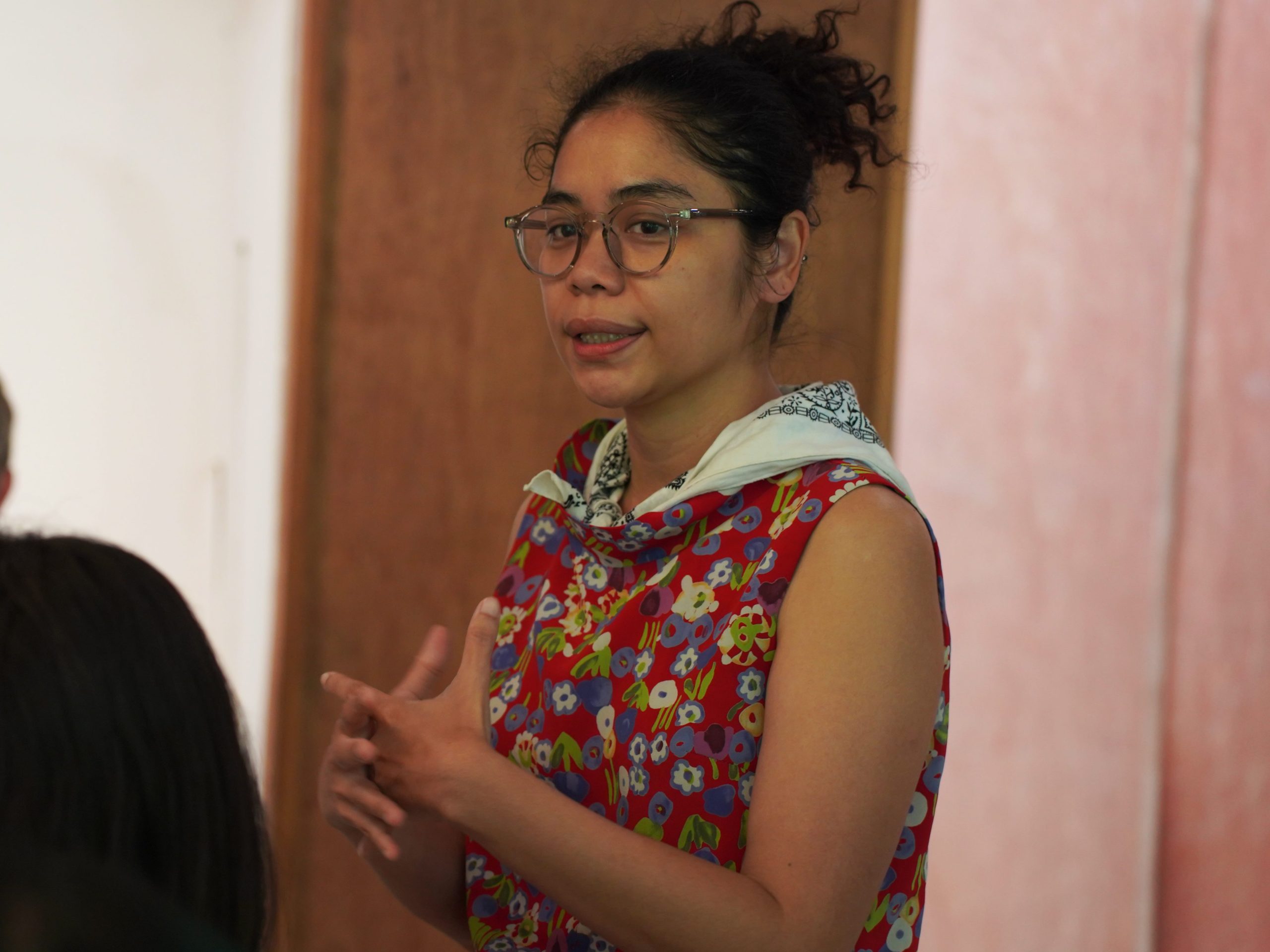
Perhaps the most memorable moment came from Peangdao Jariyapun, a core member of the Bangkok International Performing Arts Meeting (BIPAM) and an independent producer.
Looking back on years of working with artists across Asia, she summed up the value of cultural exchange in just a few words: “The beautiful friendship we have.”
Those friendships often lead to future collaborations, touring opportunities, and even funding. More importantly, they build trust. And trust creates the foundation for lasting artistic communities.
Through Chakto II, Cambodian Living Arts (CLA) continues to create spaces where artists and cultural professionals can connect with each other, exchange ideas, and explore new opportunities within Cambodia’s performing arts sector. In an ever-changing world, these connections are important. Chakto II brings people together through artistic exchange, helping to create a more connected, creative and vibrant arts community in Cambodia and beyond.